
• Auto Glass Xpress
A windshield can look fine from the outside while corrosion develops beneath its edge. If rainwater appears inside your vehicle after windshield replacement, the installer needs to identify where the water is entering and inspect the condition of the glass bond. A St. Louis job we performed shows why preparing the metal windshield opening matters.
A Real Auto Glass Xpress Job: Rust Beneath the Windshield
When our team removed a previously installed windshield, we found rust around the pinchweld—the metal area where the glass bonds to the vehicle. There was no visible primer on the exposed metal after removal. We do not know who performed the earlier installation. We cleaned up the rust, prepared the opening, and installed the replacement windshield.
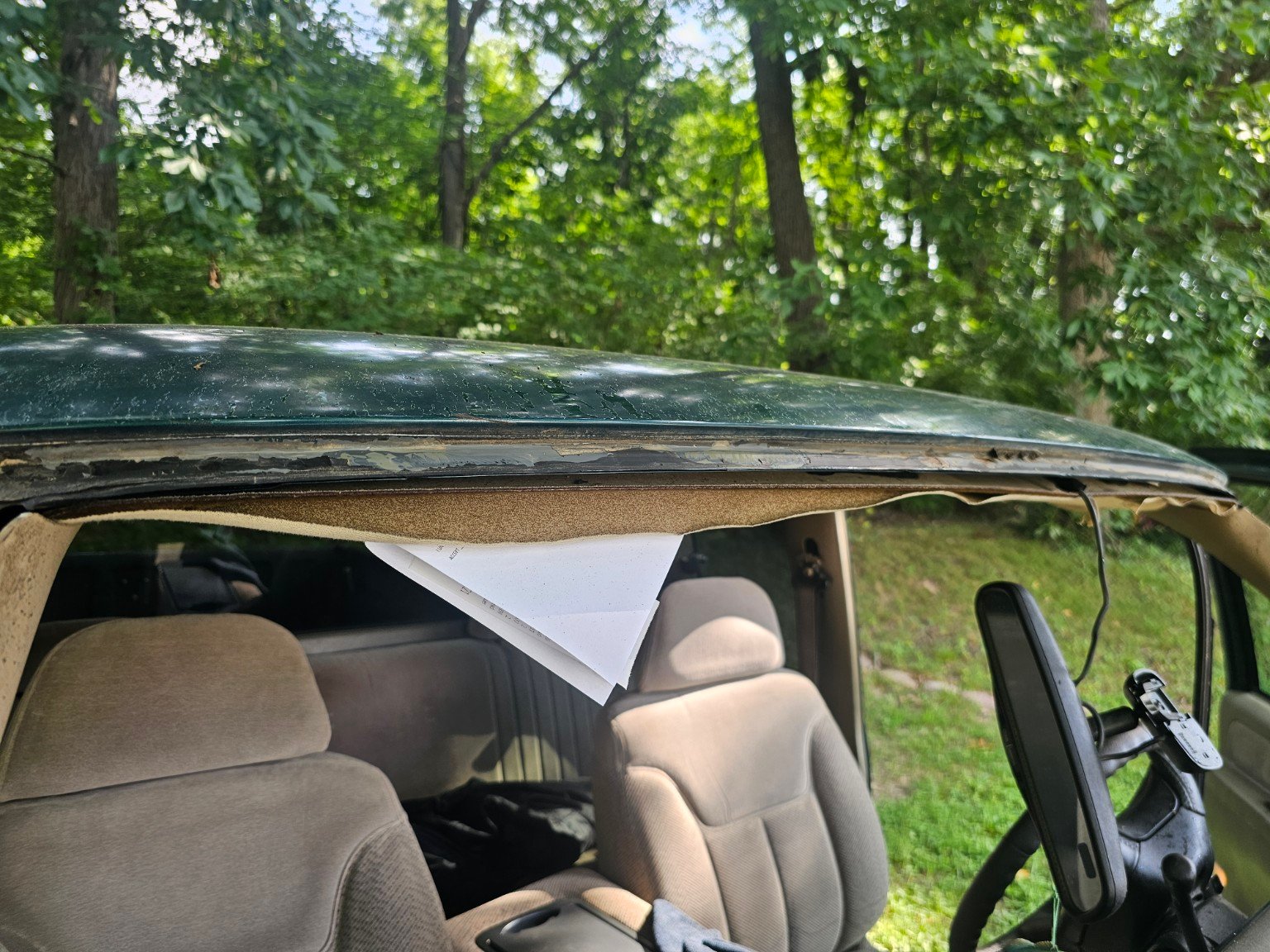
This is one documented job, not a diagnosis of every windshield leak. Rust can have more than one cause, and a technician may not see its full extent until the old glass is removed. The Auto Glass Safety Council explains why corrosion around a windshield should be assessed before replacement continues.
Why Surface Preparation Matters
A replacement windshield bonds to the vehicle with an adhesive system that must be used according to its manufacturer's instructions. The installer should inspect the pinchweld, identify bare metal or corrosion, prepare the bonding surfaces, apply the required treatments for that system, and allow the required minimum drive-away time. Primer requirements vary by adhesive system and surface condition; exposed metal still needs the applicable protection. For a fuller overview, see our St. Louis mobile windshield replacement service.
Water in the cabin can also come from other openings or drainage problems. If you notice damp trim, wet carpeting, stains, or wind noise after a replacement, record when it happens and arrange an inspection. Avoid assuming that a bead of sealant on the outside will address hidden corrosion or a bonding problem.
Five Common Windshield Replacement Questions
Why is my windshield leaking after replacement?
Possible causes include a problem with the glass bond or the surrounding vehicle opening, but water can also enter elsewhere. Have the source checked and describe whether the leak began after the replacement. Learn what happens during our windshield replacement process.
What is a pinchweld, and why does rust matter?
The pinchweld is the metal area around the opening where a bonded windshield attaches. Corrosion can affect the surface needed for installation and may remain hidden until the old windshield is removed. Our post-installation checklist covers signs a vehicle owner can watch for afterward.
Can a new windshield be installed over rust?
The rust and the condition of the surrounding metal need assessment first. Suitable treatment depends on the extent of damage and the adhesive manufacturer's instructions; more serious corrosion can require body repair before glass installation. Ask the technician what was found and what work is needed.
How soon can I drive after windshield replacement?
Follow the minimum drive-away time your technician gives for the adhesive system and conditions of your installation. There is no single time that applies to every vehicle. See our windshield replacement aftercare checklist and the Auto Glass Safety Council's explanation of drive-away time.
Will my vehicle need camera recalibration after replacement?
Some vehicles with windshield-mounted driver-assistance cameras require recalibration under their manufacturer procedures. Let the installer know about cameras or safety features when requesting a quote. Auto Glass Xpress performs ADAS recalibration for applicable vehicles.
Need a Windshield Leak or Replacement Evaluated in St. Louis?
Auto Glass Xpress provides mobile auto glass service across its St. Louis service area. Tell us about the leak, any prior replacement, your vehicle details, and any photos you have. We can discuss the next step and assess the opening as the work allows.