
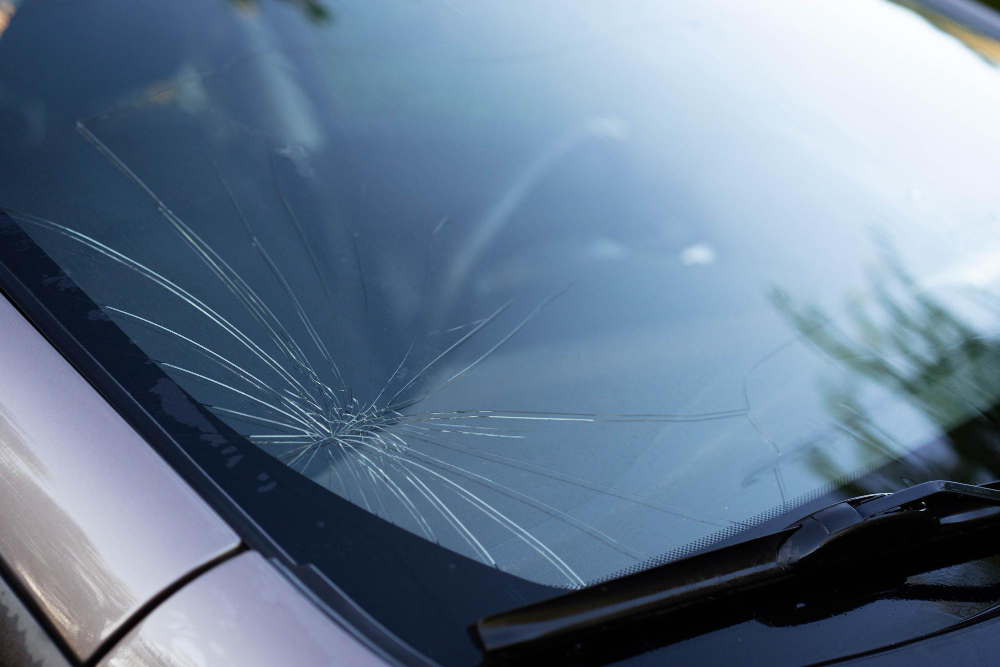
Every day, St. Louis drivers navigate roads riddled with potholes, construction zones, and loose debris that threaten windshield integrity.
One small rock kicked up at highway speed, or a jarring pothole impact, can transform your pristine windshield into an expensive repair waiting to happen. The freeze-and-thaw cycles that define Missouri winters make St. Louis roads particularly notorious for causing windshield damage.
Understanding which St. Louis roads pose the greatest risk for windshield damage helps you protect your vehicle and know when to seek professional windshield repair services before minor chips become major safety concerns.
The Science Behind Road Damage in St. Louis?
St. Louis roads face unique challenges that directly impact your windshield’s safety. The city’s freeze and thaw cycles create perfect conditions for pothole formation. When water seeps into pavement cracks and freezes, it expands by approximately 9%, breaking apart the asphalt. This process repeats throughout winter, creating the potholes and rough surfaces that launch debris at windshields.
According to the City of St. Louis Street Division, potholes form most rapidly during late winter and early spring when temperature fluctuations are most extreme. These road defects don’t just damage tires and suspensions. They create projectile hazards when vehicles hit them at speed, launching rocks and asphalt chunks that cause windshield chips and cracks.
Top St. Louis Roads Where Windshield Damage Happens Most
1. River Des Peres Boulevard: The Pothole Capital
River Des Peres Boulevard consistently ranks among the worst roads in St. Louis for car damage. Recent reports show vehicles sustaining hundreds of dollars in damage from massive potholes along this corridor. The boulevard’s poor drainage system accelerates pavement deterioration, creating crater-sized holes that launch debris and cause severe vehicle jolts. These impacts worsen existing windshield chips and create new stress cracks around your windscreen’s edges.
2. Lindbergh Boulevard (U.S. 61/67): Heavy Traffic Hazard Zone
Lindbergh Boulevard stretches through St. Louis County as a major multi-lane arterial road. The combination of heavy truck traffic and high vehicle volumes creates perfect conditions for windshield damage. Commercial vehicles frequently lose gravel and construction materials, while the constant flow of commuter traffic kicks up road debris. Your windshield faces continuous bombardment from small stones and particles, especially during rush hour when following distances shrink.
3. Interstate 44 and Interstate 70: High Speed Impact Zones
These major highways through St. Louis present unique windshield damage risks. At highway speeds above 60 mph, even tiny pieces of gravel become dangerous projectiles. Interstate 44’s construction zones near downtown frequently have loose materials on the roadway. Interstate 70’s heavy truck traffic increases the likelihood of debris strikes. The physics are simple: a small stone hitting your windshield at 70 mph delivers four times the impact force compared to 35 mph city speeds.
The Missouri Department of Transportation (MoDOT) provides real-time updates on construction zones and road conditions that can help you avoid areas with active debris hazards.
4. Kingshighway Boulevard: Accident Corridor Concerns
Kingshighway Boulevard’s high accident rate creates secondary windshield damage risks. Frequent crashes leave behind glass fragments, metal pieces, and plastic debris that subsequent traffic scatters across lanes. The boulevard’s heavy braking zones near major intersections cause tires to kick up accumulated road grit directly at following vehicles’ windshields. Peak traffic hours see the highest concentration of windshield damage incidents along this corridor.
5. Gravois Road and Manchester Road: Mixed Pavement Problems
These roads feature varying pavement quality that creates unpredictable hazards for windshields. Sections of fresh asphalt alternate with deteriorating concrete, creating lips and edges where debris accumulates. The frequent stop-and-go traffic patterns cause vehicles to repeatedly compress and release suspension systems, launching collected road materials. Construction activity along both corridors adds fresh gravel and loose materials to the hazard mix.
Additional High Risk Areas Based on Driver Reports
Local drivers consistently report windshield damage at these locations:
Laclede Station Road between Big Bend and Manchester features deteriorating pavement that creates continuous debris fields. Hanley Road near Rock Road has drainage issues that accelerate pothole formation. Bayless Avenue between Lemay Ferry and Weber shows severe pavement deterioration after each winter season.
Citizens can report dangerous potholes directly through the St. Louis Citizens’ Service Bureau to help improve road conditions for everyone.
How Road Conditions Create Windshield Damage
Understanding the mechanics helps you recognize danger zones. Loose gravel acts like tiny projectiles when vehicle tires compress and release it. Potholes create two damage mechanisms: direct debris launch and vehicle impact stress that propagates existing windscreen cracks. Construction zones introduce fresh, sharp materials that haven’t been worn smooth by traffic. Winter road treatments add sand and salt that become airborne in traffic flow.
Temperature fluctuations stress your windshield glass differently than road surfaces. A small chip ignored in the fall often becomes an unrepairable crack after winter’s temperature swings. Missouri’s climate creates perfect conditions for rapid windshield damage progression.
Safety Tips for Protecting Your Windshield
Maintain at least three seconds of following distance behind trucks and construction vehicles on these dangerous roads. Reduce speed when approaching known problem areas, especially River Des Peres Boulevard’s notorious pothole zones. Stay out of the right lane, where road debris naturally accumulates from traffic flow and drainage patterns.
Monitor the Missouri Department’s road condition reports before traveling these corridors. Small windshield chips require immediate attention before St. Louis road conditions turn them into major cracks. Professional repair within 24 hours of damage often prevents the need for a complete windshield replacement.
Position your vehicle to avoid tire spray from adjacent lanes during wet conditions. Road spray carries more debris than you might expect, especially on deteriorating surfaces like those found on Gravois Road.
The National Highway Traffic Safety Administration recommends regular windshield inspections as part of vehicle safety maintenance, especially in areas with challenging road conditions like St. Louis.
Protecting Your Investment
St. Louis roads present serious challenges for maintaining windshield integrity. River Des Peres Boulevard, Lindbergh Boulevard, Interstate corridors, Kings highway Boulevard, and the Gravois Manchester Road areas consistently cause the most windshield damage through combinations of potholes, debris, and traffic conditions. Your windshield serves as a critical safety component that requires immediate attention when damaged.
When you notice windshield damage from navigating these hazardous St. Louis roads, immediate professional repair prevents costly replacement. AutoGlass Xpress provides mobile windshield repair in St. Louis & nearby areas like Ladue, MO, Arnold, MO, etc. coming directly to your home or workplace. Our certified technicians understand how local road conditions affect windshields and provide fast, insurance-approved repairs that restore your vehicle’s safety.
Contact AutoGlass Xpress on (314) 352-0049 to schedule your windshield repair before that small chip becomes a dangerous crack. Don’t let St. Louis roads compromise your safety or wallet when professional windshield repair is just one call away.
FAQs
What are the worst roads in St. Louis for car damage?
River Des Peres Blvd, parts of Kingshighway, Gravois, Manchester, and high-traffic highways like I‑44 and I‑70 are commonly reported for potholes and debris.
Why do St. Louis roads create so many potholes?
Freeze-and-thaw cycles: water enters cracks, freezes, expands, and breaks pavement apart over and over during winter.
Can a pothole crack a windshield?
Yes. The impact can jolt the vehicle and spread an existing chip into a crack. It can also launch debris that strikes the glass.
Are highways more likely to cause windshield chips?
Often yes, because higher speed makes small stones hit much harder, especially near trucks and construction zones.
Where does road debris that chips windshields come from?
Loose gravel, crumbling asphalt, sand/salt from winter treatments, and material dropped or kicked up by trucks.
How can I avoid windshield damage behind trucks?
Increase following distance (at least 3 seconds), don’t tailgate, and change lanes safely if you’re too close.
Do construction zones increase windshield damage risk?
Yes. Fresh gravel, uneven surfaces, and loose material are common in work zones.
Is it safe to drive with a chipped windshield?
Small chips can quickly spread into cracks, especially with temperature changes. It’s safer to address chips early.
How fast can a windshield chip turn into a crack?
Sometimes within a day, especially with cold nights, hot defrosters, or hitting another bump/pothole.
Which lane has the most debris on St. Louis roads?
The right lane often collects more debris because of drainage patterns, shoulder runoff, and heavier truck use.
