
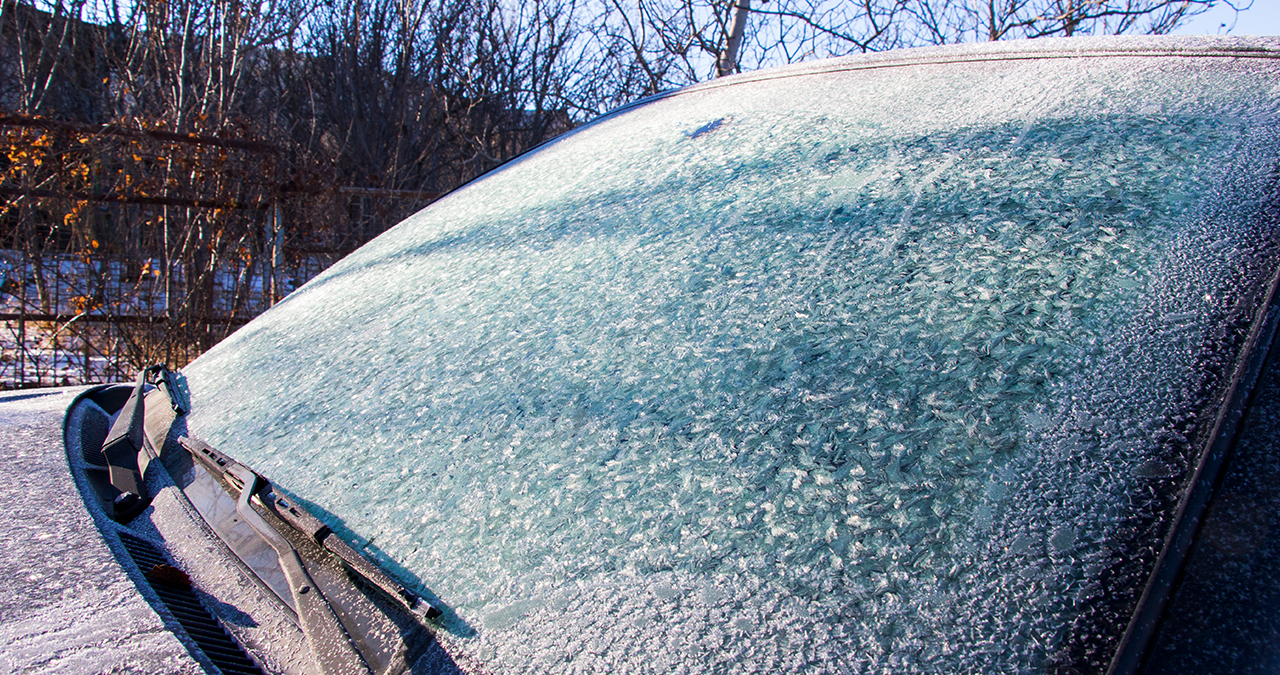
Frozen windshields block visibility during the winter season, creating some dangerous driving conditions and putting drivers at risk. Quick fixes like pouring hot water or aggressive scraping lead to expensive windshield cracks, chips, and even complete glass failure that can cost hundreds of dollars.
Learning the right defrosting techniques protects your windshield from damage and keeps you safe on winter roads. But first, let’s understand why windshields crack when defrosting?
Why Windshields Crack During Defrosting?
Automotive glass expands and contracts when temperatures change. When you defrost windshield glass too quickly, rapid temperature shifts create thermal stress. This stress causes cracks along windshield edges, spider web patterns from existing chips, and complete windshield failure. Modern windshields use laminated safety glass designed to handle gradual temperature changes, not sudden thermal shock from improper windshield defrost methods.
How to Defrost Windshield
Engine Heat Method (Most Reliable)
The safest way to defrost windshield glass starts with your vehicle’s built-in windshield defroster system. Start your vehicle and turn on the defrost setting. Set the temperature to warm, not hot initially. Direct airflow to the windshield vents and gradually increase temperature every 2-3 minutes.
This gradual warming process prevents thermal shock that cracks glass. Allow 10-15 minutes for complete windshield defrost. Your patience saves money on repairs and replacement costs that average $200-800 per windshield.
The windshield defroster works by circulating warm air across the glass surface evenly. This even distribution prevents hot spots that create stress points. Never blast maximum heat immediately, as this defeats the gradual warming principle.
Commercial De-Icer Spray
Commercial de-icer products offer a fast windshield defrost solution when combined with your vehicle’s heating system. Apply automotive-grade de-icer evenly across the windshield surface. These products lower the freezing point of ice, making removal easier.
Let the chemical reaction work for 3-5 minutes before scraping. Use a soft-bristled brush to remove loosened ice gently. Avoid household chemicals or salt solutions that damage glass and rubber seals around your windshield.
Quality de-icer sprays cost $8-15 per bottle and last an entire winter season. Keep one in your vehicle for emergency situations when you need faster results.
Plastic Scraper Technique
When you defrost windshield ice manually, tool selection matters. Remove ice with a plastic ice scraper or credit card, never metal tools. Work in horizontal motions from the center outward to minimize stress on the glass.
Apply gentle pressure to prevent glass scratches that compromise visibility. Start at the top and work downward in overlapping strokes. Clear wiper blades before operating them to avoid streaking across the windshield.
Quality plastic scrapers with soft rubber edges cost $5-10 and protect your windshield better than improvised tools. Replace scrapers annually as edges wear down and become less effective.
Windshield Covers (Best Prevention)
Prevention beats treatment every time. Windshield covers eliminate the need to defrost the windshield glass each morning. Place cardboard or specialized windshield covers on your windshield before overnight freezing occurs.
Secure edges under wiper blades or with magnets to prevent wind displacement. Remove the covering in the morning for instant visibility without waiting for your windshield defroster to warm up.
Quality windshield covers cost $15-30 and pay for themselves within one winter season by saving time and fuel costs. Custom-fit covers work better than generic sizes for complete protection.
Dangerous Methods That Crack Windshields
Hot Water (Never Use)
Pouring hot water on frozen windshields ranks as the worst windshield defrost method. Hot water creates immediate thermal shock that causes stress fractures in laminated glass. The temperature difference between freezing glass and hot water can exceed 100 degrees Fahrenheit.
This extreme temperature gap shatters windshields completely, requiring emergency replacement. Even if the windshield doesn’t shatter immediately, hot water creates micro-cracks that spread over time. One moment of impatience costs $200-800 in replacement fees.
The frozen water also refreezes quickly in cold conditions, creating a thicker ice layer than before. Skip this dangerous shortcut entirely and use proper windshield defrost techniques instead.
Metal Scrapers and Sharp Tools
Metal tools create permanent scratches in glass that never disappear. These scratches damage the windshield wiper functionality by creating uneven surfaces. The scratches also compromise optical clarity, especially when driving toward sunrise or sunset.
Metal scraper damage reduces vehicle resale value and creates safety hazards. Deep scratches can become stress points where cracks start during future temperature changes. Invest in proper plastic scrapers designed specifically for automotive glass.
Too Much Force When Scraping
Applying excessive pressure when you defrost the windshield ice creates stress concentration points. These pressure points lead to cracking that spreads across the entire windshield. Flexing glass beyond design limits causes micro-fractures invisible to the naked eye.
These micro-fractures weaken overall windshield integrity and grow larger over time. What seems like minor damage today becomes a complete windshield replacement next month. Gentle, patient scraping always beats aggressive force.
Advanced Windshield Defrost Techniques
The Two-Stage Method
Combine multiple windshield defrost approaches for faster, safer results. Start your windshield defroster system first, then apply de-icer spray after 2-3 minutes of warming. This combination speeds up the process while maintaining safe temperature changes.
After 5 minutes total, use your plastic scraper on loosened ice. The chemical and heat combination makes ice removal effortless without applying dangerous force to cold glass.
Strategic Parking
Where you park determines how much you need to defrost the windshield glass each morning. Face windshields east to catch the morning sun that naturally melts ice. Park near buildings that block wind and reduce ice accumulation overnight.
Use garage parking whenever available, even if it means walking farther to your door. The convenience of ice-free windshields justifies the extra steps. Covered parking spots under carports or trees also reduce ice formation.
Preventive Fluid Treatment
Apply rain repellent treatments to windshields before winter arrives. These hydrophobic coatings cause water to bead and roll off rather than freeze flat against glass. The coating reduces ice adhesion, making morning windshield defrost much easier.
Good quality rain repellents cost approximately $10-20 per bottle and last 3-6 months per application. Follow the manufacturer’s directions for best results. This small investment saves countless minutes of scraping time.
When Professional Help Is Needed
Windshields need professional attention when visible cracks or chips appear, especially those longer than 6 inches. Stress lines around the windshield perimeter indicate structural weakness from repeated thermal stress. Optical distortion affecting driver visibility requires immediate repair.
Scratching sounds from wiper blades indicate surface damage caused by improper defrost methods or worn wiper components. Catching damage early prevents costly complete replacements. Small chips cost approximately $50-150 to repair, while complete replacement can run $200-800 or more.
Winter Maintenance Tips
Check for existing chips before winter arrives, as cold weather makes them spread faster. Inspect wiper blade condition monthly and replace worn blades immediately. Keep windshield washer fluid levels full using winter-grade fluid rated to -20°F or lower.
Use automotive-grade windshield washer fluid that won’t freeze in reservoir lines. Apply rain repellent treatments at the start and mid-winter. Keep quality ice scrapers and de-icer spray in your vehicle year-round for unexpected freezing conditions.
Emergency Situations
When you need visibility immediately, start the engine right away and activate all defrost systems. Use a credit card for gentle ice removal on the driver’s side only. Focus on creating a clear vision area first, then let the windshield defroster handle the rest.
Never drive with partially blocked windshields, as this violates traffic safety laws in most states. The liability risk from accidents caused by poor visibility exceeds the inconvenience of waiting for proper windshield defrost.
Cost Analysis
Smart windshield defrost practices save money over the long term. Defrosting supplies, including covers, scrapers, and de-icer, may cost $25-50 per year. Compare this to windshield chip repair at $50-150 per chip, or to a complete replacement at $200-800.
Proper windshield defrost requires 10-15 minutes daily during winter. Emergency windshield replacement takes 2-4 hours plus vehicle downtime. The math clearly favors prevention and proper technique.
Professional Windshield Services
AutoGlass Xpress offers automotive glass repair throughout the region. Our certified technicians handle emergency windshield replacement, chip and crack repair, insurance claim processing, mobile service options, and quality guarantees on all installations.
Improper windshield defrost methods compromise vehicle safety and create expensive repair bills. Call Us on (314) 352-0049 for a professional windshield assessment and repair. Our experienced technicians keep windshields clear and structurally sound throughout winter conditions. Call now or visit our website to schedule service and protect your investment.
FAQs
How long should I wait before driving after defrosting?
Wait for complete visibility across the entire windshield before driving. This typically takes 10-15 minutes with your windshield defroster on moderate heat.
Can I use rubbing alcohol to defrost a windshield?
Commercial automotive de-icers work better and are safer than household products. Rubbing alcohol can damage rubber seals and paint around the windshield.
What temperature setting works best for defrosting?
Start with moderate heat settings and slowly increase the temperature every 2-3 minutes. This gradual approach prevents thermal shock that cracks glass.
Is a hair dryer safe to use on windshields?
Hair dryers create concentrated heat spots that cause thermal stress. Use your vehicle’s windshield defroster instead for even heat distribution across the entire surface.
How do I prevent ice from forming overnight?
Use windshield covers, park in covered areas, face windshields away from the wind, or apply preventive treatments before freezing conditions occur.
When should I replace a windshield instead of repairing damage?
Replace windshields with cracks longer than 6 inches, multiple impact points, or damage in the driver’s direct line of sight.
